
The Allure of Near Wins
One of the most powerful psychological techniques employed by casinos is the phenomenon known as the “near win.” This occurs when a player almost wins, such as hitting two out of three symbols on a slot machine. The brain interprets these near wins as victories, creating a false sense of hope and excitement. This perception can lead players to return to the game in anticipation of an eventual win, despite the odds heavily being in favor of the house. Some players may choose to explore sports betting sites not on gamstop as an alternative for their gaming interests.
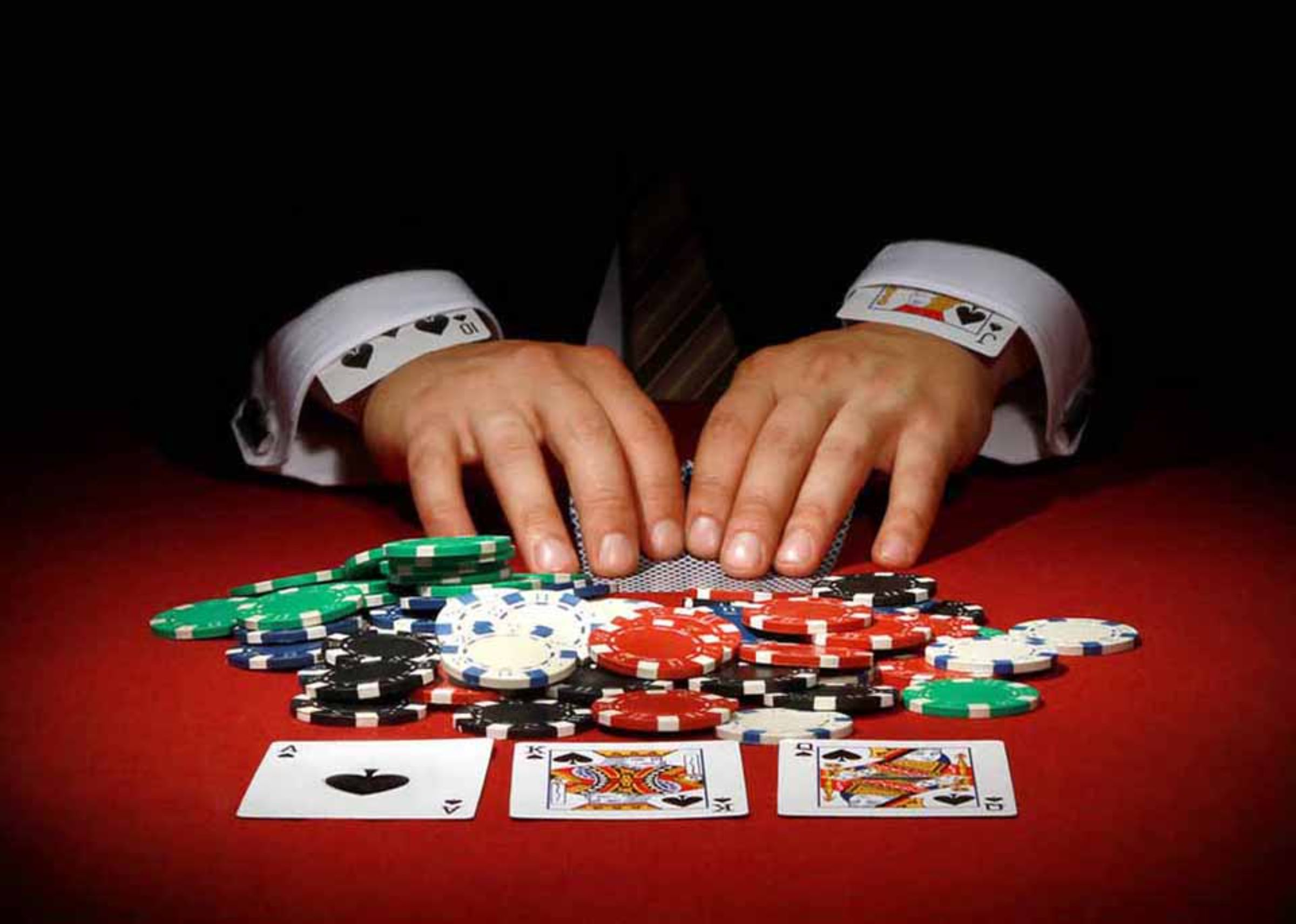
This trick capitalizes on the brain’s reward system. When players experience a near win, the brain releases dopamine, a neurotransmitter that plays a crucial role in pleasure and reward. This release can make players feel as though they are on the brink of a significant win, encouraging them to continue gambling in pursuit of that elusive jackpot.
The Role of Ambiance and Design
Certain design elements in casinos are strategically implemented to enhance the gaming experience and keep players engaged. The layout, lighting, and sounds all play a crucial role in creating an environment that feels both exciting and immersive. Bright lights and vibrant colors attract attention, while soft carpeting and strategically placed machines can make players feel at ease, allowing them to lose track of time.
Additionally, casinos often use sensory cues such as sound effects and music to enhance the gaming experience. The sounds of coins dropping or celebratory jingles after a win mimic a reward system, reinforcing the desire to keep playing. This sensory overload can create a euphoric atmosphere that encourages longer stays and increased spending.
Social Factors and Group Dynamics
The social environment found in casinos is another significant psychological trick that keeps players engaged. Many people enjoy the communal aspect of gambling, which can create a sense of belonging. Observing others win or celebrating victories can evoke feelings of excitement and camaraderie, prompting individuals to join in on the fun.
This social pressure can make it difficult for players to leave, as they may fear missing out on a shared experience or the possibility of winning when others are winning. The presence of others can also create a form of competition, driving individuals to continue playing in hopes of outperforming their peers or simply maintaining the buzz of excitement within the group.
The Illusion of Control
Another psychological trick that captivates players is the illusion of control. Many casino games, especially those that involve skill like poker, give players the impression that their decisions can influence the outcome. This sense of empowerment can be incredibly appealing, encouraging players to gamble more as they believe they can beat the odds through strategy or skill.
In contrast, games of chance such as slots or roulette also capitalize on this illusion through betting patterns and betting increments. Players may feel that their betting choices will influence their likelihood of winning, which contributes to a heightened sense of engagement and motivation to continue playing, as they perceive their involvement as integral to the outcome.
About Our Website
This website is dedicated to providing users with valuable resources and insights into various aspects of gambling, including understanding the psychological factors at play in casinos. With an emphasis on responsible gambling, we aim to educate visitors about the tricks and techniques used by casinos to enhance their gaming experiences.
While the site may currently experience limitations in access, we encourage users to explore the available sections to find helpful information and navigate their gambling journey safely and enjoyably. Stay connected for more updates and resources that promote informed gaming practices.